
Our Lady
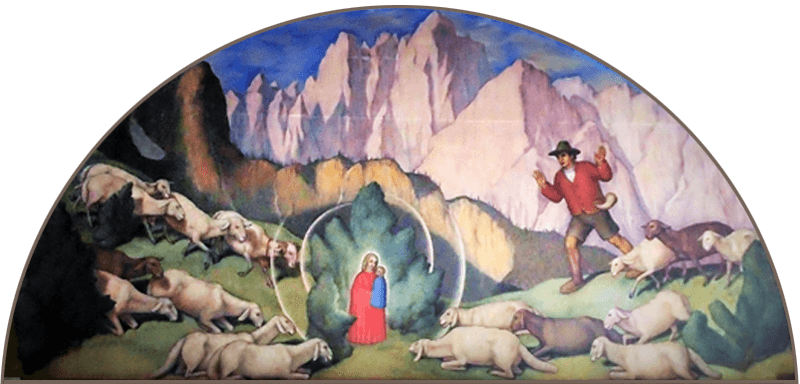
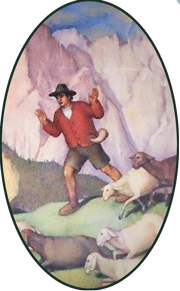
In 1360, a young shepherd from Camporosso discovered an image of the Mother of God on the summit of Mount Lussari. He immediately carried it down to the valley and entrusted it to the astonished parish priest, who carefully locked it in a cupboard. But Mary did not wish to remain there; the following day the statue was found back on the mountain. After this happened several times, a small chapel was built on the very spot where the statue had been discovered.
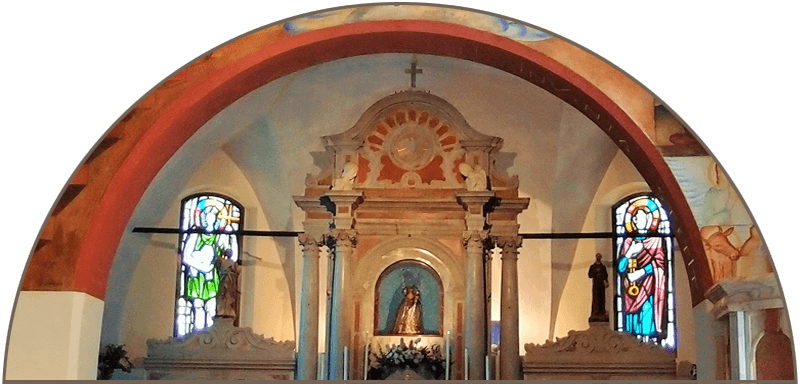
Over time, the mountain became an important pilgrimage destination for the surrounding regions. For centuries, numerous parishes have come here on pilgrimage, while families and individual pilgrims continue to return regularly to this sacred place, where Mary grants peace and joy in a special way. Her little statue is humble, yet full of tenderness.
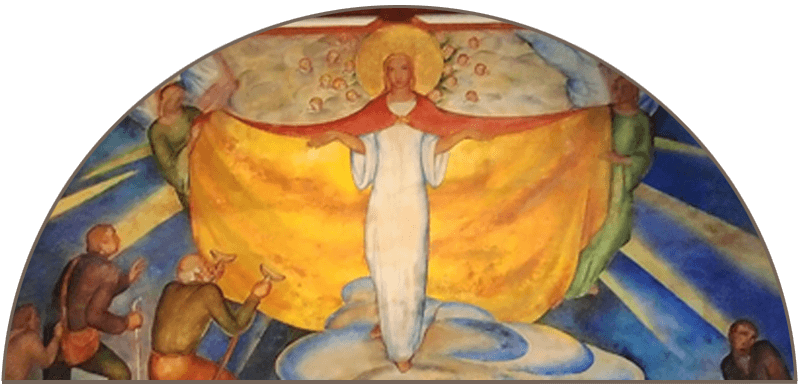
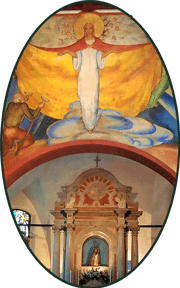
Our Lady of Mount Lussari is the humble servant of the Lord. She is not known for spectacular apparitions or extraordinary miracles. Rather, as at Cana in Galilee, she acts quietly and discreetly, filling the hearts of pilgrims with peace, joy, and trust. She gathers them beneath her mantle, radiant with the light and warmth of God.
According to tradition, the pilgrimage season lasts from the Feast of St John the Baptist (24 June) until the first Sunday of October. For centuries, historical records have documented annual pilgrimages from Carinthia, Gorenjska, and Primorska. During the summer months, several priests serve at the shrine, celebrating Holy Mass and making themselves available for the Sacrament of Reconciliation.
Pilgrims
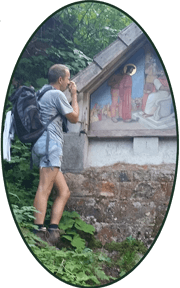
In earlier times, when the pilgrimage procession reached the mountain pass near the ponds, the pilgrims prepared themselves with a spiritual reflection and devotional prayers. From there they continued to the Chapel of the Sacred Heart of Jesus, where they were welcomed by the ringing of the bells. The pilgrimage concluded with prayers before the image of the Mother of God, followed by Holy Mass and the Sacrament of Reconciliation.
Our Common Home
Our Lady of Mount Lussari gathers beneath her mantle everyone who comes to her. When pilgrims enter the church, they arrive at their own home, where Mother Mary awaits them. Not only they, but everyone who comes here with the same purpose, finds a home.
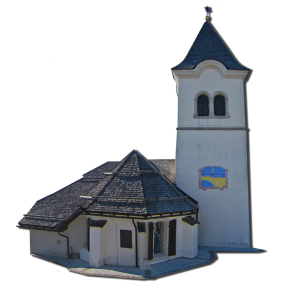
The Christian model of coexistence among people and nations is founded on the dignity and freedom of the individual, the family, and the community. True freedom, however, is never expressed through isolation or exclusion.
Mount Lussari – A Symbol of European Fraternity
The Christian vision of a common European home is rooted in the conviction that God loves each one of us equally.
… why is Mount Lussari a symbol of European fraternity?
We are all children of God, called to see in every person first of all a brother or sister, sharing the same dignity and the same right to life and human flourishing. Christians are responsible for the well-being of their neighbours and for the care of creation. At the very beginning of the Bible we read that God entrusted creation to humanity—to individuals, families, and peoples—to cultivate it and care for it.
Mount Lussari is the common home of all God’s children who believe in Jesus Christ and who have Mary as their Mother. In a family, everything is shared. A mother loves each of her children equally. No child can claim the family home exclusively for themselves.
For this reason, Mount Lussari is also a symbol of European unity.